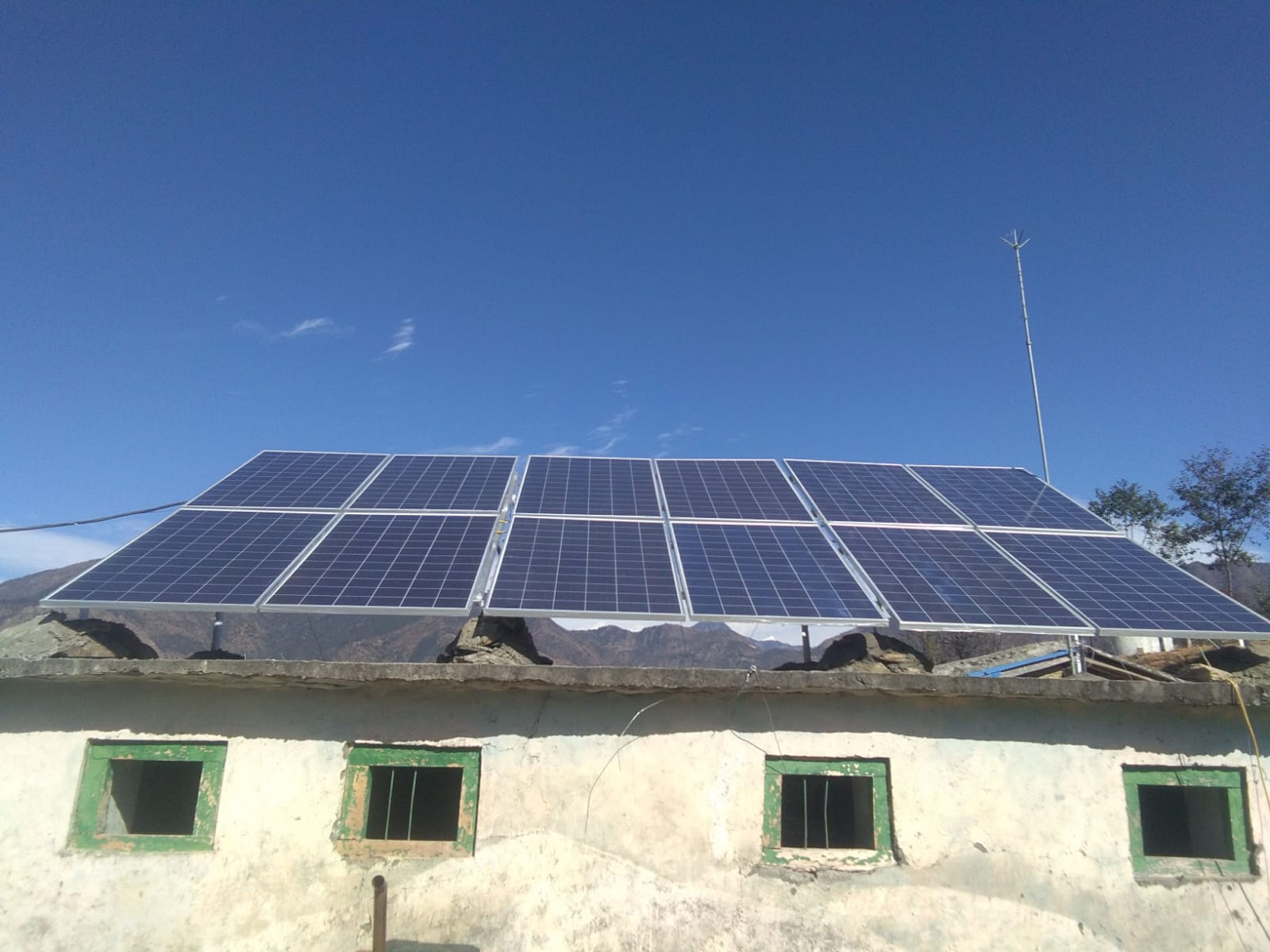
In the search for sustainable energy sources, one option shines brighter than most: solar energy. Harnessing the power of the sun, solar energy offers a multitude of advantages that are revolutionizing the way we generate electricity and meet our energy needs in Nepal. In this article, we’ll delve into the numerous benefits of solar energy and why it holds the key to a cleaner, greener future in Nepal.
Advantages of Solar Energy
At the heart of solar energy lies the inexhaustible power of the sun. Every day, the sun showers the Earth with an abundance of energy, radiating more power in an hour than humanity consumes in an entire year. By tapping into this vast and renewable resource, we unlock a virtually limitless supply of clean energy that can power our homes, businesses, and communities for generations to come. Here’re the advantages of solar energy:
1. Clean and Renewable
One of the most compelling advantages of solar energy is its cleanliness and renewability. Unlike fossil fuels, which emit harmful pollutants and greenhouse gases when burned, solar energy generation produces zero emissions, helping to combat air pollution and mitigate climate change. As a renewable resource, solar energy won’t run out, ensuring a sustainable energy future for our planet.
2. Environmental Benefits
The environmental benefits of solar energy extend beyond reducing greenhouse gas emissions. Solar power generation requires minimal water compared to traditional power plants, conserving precious freshwater resources and reducing strain on water ecosystems. Additionally, solar installations can be built on existing infrastructure such as rooftops and brownfields, minimizing habitat disruption and land use conflicts.
3. Energy Independence
Solar energy offers individuals and communities a path to energy independence. By installing solar panels on rooftops or properties, homeowners and businesses can generate their own electricity, reducing reliance on centralized power grids and volatile energy markets. This decentralization of energy production enhances resilience against power outages and price fluctuations, empowering consumers to take control of their energy destiny.
4. Cost-Effectiveness
Advancements in solar technology and economies of scale have significantly reduced the cost of solar energy in recent years. Solar panels are more affordable and efficient than ever before, making solar power a cost-effective solution for electricity generation. With low operating and maintenance costs, solar installations provide a predictable and stable source of energy over their long lifespan, delivering substantial savings for consumers and businesses alike.
5. Job Creation and Economic Growth
The rapid expansion of the solar industry is driving job creation and economic growth worldwide. From manufacturing and installation to research and development, the solar sector supports a diverse range of jobs across the value chain. By investing in solar energy infrastructure and workforce development, governments can stimulate local economies, create new employment opportunities, and foster innovation in clean energy technologies.
6. Scalability and Versatility
Solar energy systems are highly scalable and versatile, making them suitable for a wide range of applications and locations. Whether it’s a small rooftop installation on a residential home or a large-scale solar farm powering entire cities, solar technology can be tailored to meet varying energy needs and geographic conditions. This flexibility enables rapid deployment and adaptation to evolving energy demands.
7. Reliability and Resilience
Contrary to common misconceptions, solar energy is a reliable and resilient source of power. While solar output may fluctuate with weather conditions and time of day, modern solar installations are equipped with smart grid technologies and energy storage systems to ensure stability and continuity of supply. Additionally, distributed solar generation decentralizes the grid, reducing the risk of widespread outages and enhancing grid resilience.
Embracing a Brighter Future
As we confront the challenges of climate change and the transition to a sustainable energy future, solar energy emerges as a beacon of hope. Its numerous advantages—from cleanliness and renewability to cost-effectiveness and job creation—underscore its potential to revolutionize the way we power our world. By embracing solar energy, we not only mitigate the impacts of climate change but also create a brighter, more equitable future for generations to come. Let’s harness the power of the sun and pave the way towards a cleaner, greener tomorrow.
Disadvantages of Solar Energy
While solar energy offers numerous advantages, it’s important to acknowledge its disadvantages as well. Here are some common challenges associated with solar energy:
- Intermittency and Weather Dependency: Solar energy production is dependent on sunlight, making it intermittent and variable. Cloud cover, nighttime, and seasonal changes can affect the availability of sunlight, leading to fluctuations in energy output. This variability requires backup power sources or energy storage systems to ensure reliable electricity supply.
- Energy Storage Requirements: To overcome the intermittency of solar energy, energy storage systems such as batteries are often required to store excess energy generated during peak sunlight hours for use during periods of low or no sunlight. While advancements in battery technology have improved energy storage capacity and efficiency, storage solutions can add complexity and cost to solar installations.
- High Initial Costs: While the cost of solar panels has decreased significantly in recent years, the initial investment required for installing solar energy systems can still be substantial. This upfront cost can be a barrier to adoption for some homeowners, businesses, and governments, particularly in regions with limited financial incentives or financing options.
- Land Use and Environmental Impact: Large-scale solar installations, such as solar farms or utility-scale photovoltaic arrays, require significant land area for deployment. Clearing land for solar projects can result in habitat loss, biodiversity impacts, and changes to land use patterns. Additionally, the manufacturing and disposal of solar panels can have environmental consequences if not managed responsibly.
- Energy Transmission and Grid Integration: Solar energy generated in remote or rural areas may require transmission infrastructure to deliver electricity to population centers or urban areas. Building and maintaining transmission lines can be costly and face logistical and regulatory challenges. Integrating distributed solar generation into existing electrical grids also requires upgrades and investments in grid infrastructure to ensure stability and reliability.
- Aesthetic and Space Constraints: Some individuals and communities may perceive solar panels as visually unappealing or disruptive to the natural landscape, particularly in residential areas. Concerns about property values, aesthetic impact, and zoning regulations may limit the widespread adoption of solar energy, especially in densely populated or scenic areas.
- Resource Limitations and Manufacturing Challenges: The production of solar panels relies on finite resources such as silicon, silver, and rare earth elements. While these resources are abundant, there are concerns about supply chain constraints, resource depletion, and environmental impacts associated with extraction and processing. Additionally, the manufacturing process of solar panels involves energy-intensive processes and chemical inputs, raising questions about sustainability and lifecycle environmental impacts.
- Geographic Limitations and Efficiency Constraints: Solar energy generation is most efficient in regions with abundant sunlight and favorable climatic conditions. Areas with high levels of cloud cover, low solar irradiance, or extreme weather conditions may experience reduced solar energy potential or require larger solar installations to achieve desired energy output. Furthermore, the efficiency of solar panels can decrease over time due to factors such as dust accumulation, shading, and degradation of materials, requiring regular maintenance and cleaning to optimize performance.
While these disadvantages pose challenges to the widespread adoption of solar energy, ongoing research, technological innovation, and policy support are addressing many of these issues. As solar energy continues to evolve and mature, its advantages as a clean, renewable, and sustainable energy source are becoming increasingly prominent, paving the way for a brighter and more resilient energy future.