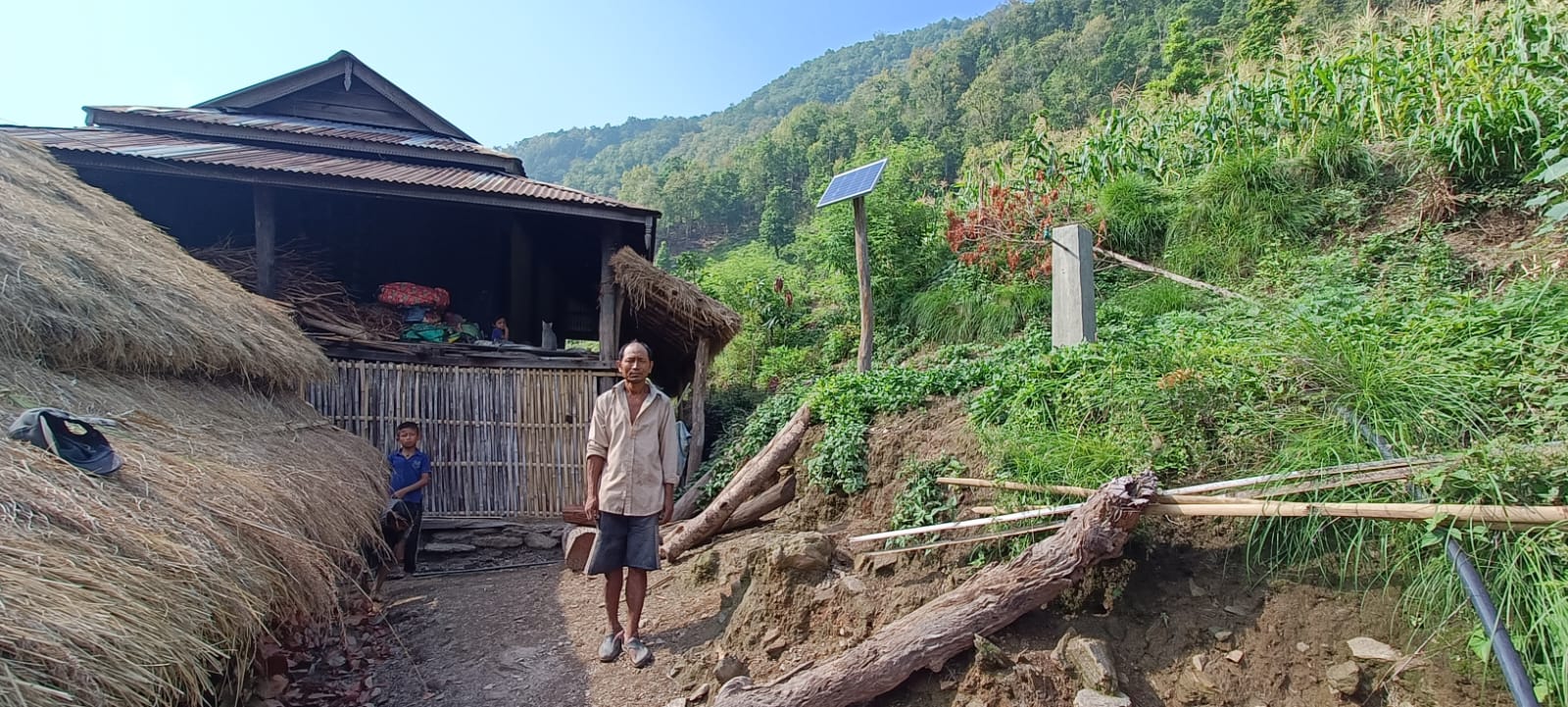
Nestled amidst the breathtaking Himalayan landscapes, Nepal’s rural villages paint a picturesque scene of tranquility and simplicity. However, behind this idyllic facade lies a reality of energy poverty, with many communities lacking access to reliable electricity. In recent years, the adaptation of solar energy has emerged as a beacon of hope, transforming the lives of rural villagers and illuminating a path towards sustainable development.
The Challenge of Energy Poverty

For decades, rural villages in Nepal have grappled with limited access to electricity, hindering economic development, educational opportunities, and healthcare services. Remote terrain, inadequate infrastructure, and financial constraints have posed significant barriers to extending the electrical grid to these marginalized communities. As a result, reliance on kerosene lamps, candles, and traditional biomass fuels for lighting and cooking has been the norm, perpetuating energy poverty and environmental degradation.
Harnessing the Power of the Sun
In the face of these challenges, solar energy has emerged as a game-changer for rural electrification in Nepal. With abundant sunlight available throughout the year, harnessing the power of the sun offers a sustainable and cost-effective solution to meet the energy needs of remote villages. Solar photovoltaic (PV) systems, comprising solar panels, batteries, and inverters, are being deployed to generate electricity for lighting, powering appliances, and charging mobile phones.
Empowering Communities Through Solar
The adaptation of solar energy in rural villages of Nepal is not merely about lighting up homes; it’s about empowering communities and catalyzing socio-economic transformation. With access to reliable electricity, villagers can extend study hours for children, improve productivity in household chores and agricultural activities, and enhance safety and security after dark. Solar-powered health clinics can refrigerate vaccines, power medical equipment, and provide essential lighting during emergencies, improving healthcare delivery in remote areas.
Overcoming Challenges and Building Resilience
While the benefits of solar energy are clear, the adaptation process in rural Nepal is not without its challenges. Geographic remoteness, rugged terrain, and adverse weather conditions present logistical hurdles for solar installations and maintenance. Additionally, upfront costs and financing constraints can pose barriers to adoption for cash-strapped communities. However, innovative financing models, community-based approaches, and government incentives are helping overcome these obstacles and accelerate the uptake of solar energy.
Driving Sustainable Development
The adaptation of solar energy in rural villages of Nepal is more than just a technological intervention; it’s a catalyst for sustainable development and environmental stewardship. By transitioning away from fossil fuels and embracing clean, renewable energy sources, communities are reducing carbon emissions, mitigating climate change impacts, and preserving fragile ecosystems. Moreover, solar energy projects are creating local employment opportunities, fostering entrepreneurship, and strengthening community resilience against energy shocks and disruptions.
A Brighter Future Ahead
As the sun rises over the majestic peaks of the Himalayas, it brings with it a promise of a brighter future for Nepal’s rural villages. Through the adaptation of solar energy, these communities are writing a new chapter of progress, prosperity, and hope. With each solar panel installed, each light bulb illuminated, and each life transformed, we move one step closer towards achieving sustainable development goals and leaving a legacy of empowerment for generations to come. Together, let us continue to harness the power of the sun and illuminate the path towards a brighter tomorrow.