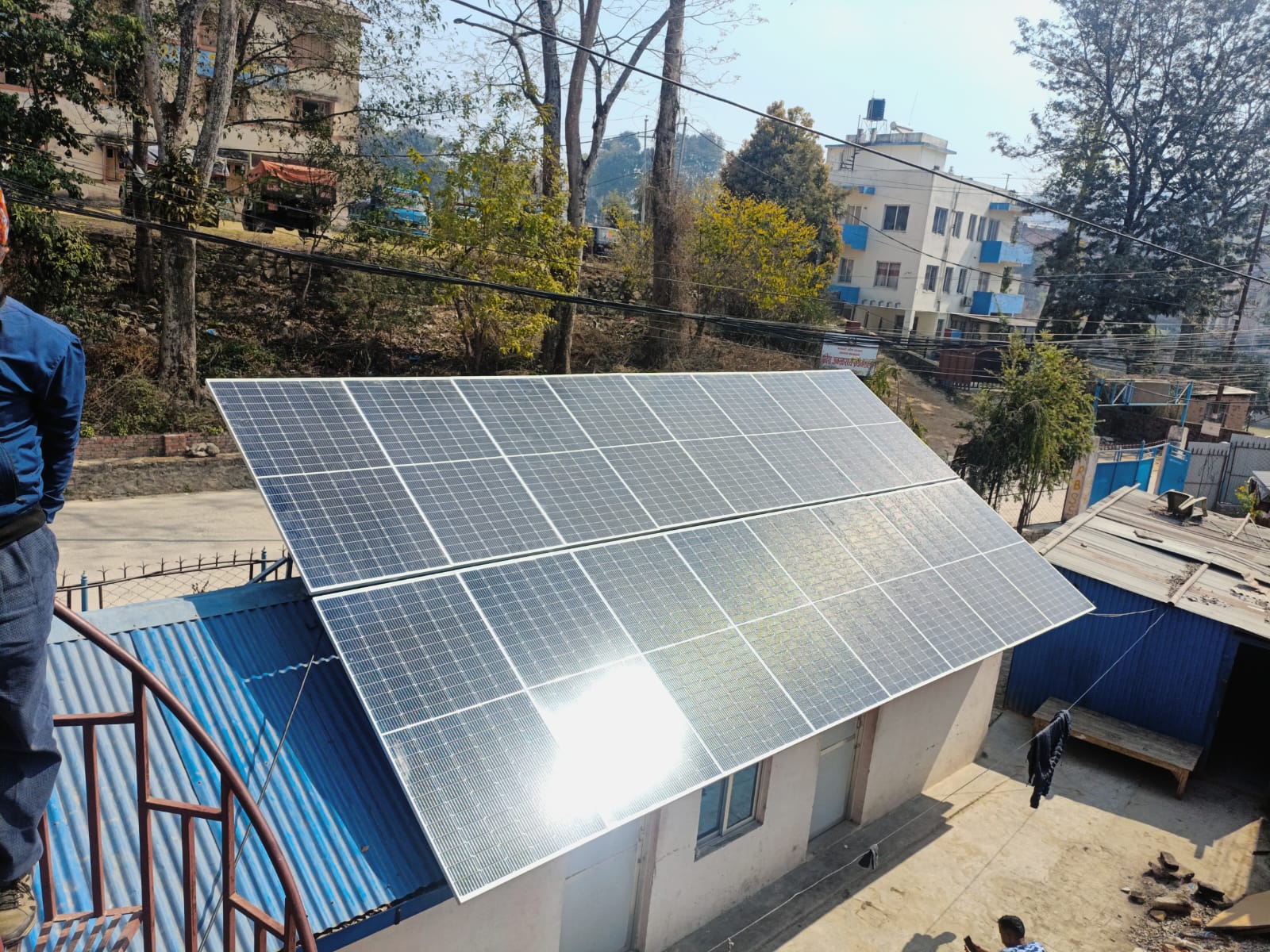
Nepal boasts significant untapped potential for solar energy due to its abundant sunlight and diverse topography. The country’s solar energy potential can be harnessed through various applications, including rooftop solar installations, utility-scale solar farms, and off-grid solar systems. Here are some factors contributing to Nepal’s solar energy potential:
- Sunlight Availability: Nepal receives ample sunlight throughout the year, with an average solar insolation ranging from 4 to 6 kWh per square meter per day in most regions. This high solar irradiance makes Nepal well-suited for solar energy generation.
- Geographic Diversity: Nepal’s diverse topography, including plains, hills, and mountains, provides opportunities for solar energy development across different terrains. While the Terai region offers vast expanses of flat land ideal for utility-scale solar farms, the hills and mountains provide suitable locations for rooftop solar installations and microgrids in rural communities.
- Energy Demand: With a growing population and increasing energy demand, especially in urban areas and industrial zones, there is a need to diversify Nepal’s energy mix and reduce reliance on imported fossil fuels. Solar energy can play a crucial role in meeting this demand and enhancing energy security.
- Rural Electrification: Nepal’s rural areas, which are often underserved by the conventional electrical grid due to geographic remoteness and challenging terrain, stand to benefit significantly from solar energy solutions. Off-grid solar systems, including solar home systems and mini-grids, can provide clean and reliable electricity to remote villages, improving livelihoods and enhancing quality of life.
- Environmental Benefits: Embracing solar energy can help Nepal mitigate the environmental impacts associated with traditional energy sources, such as air pollution and deforestation. By reducing reliance on fossil fuels, solar energy contributes to cleaner air, healthier ecosystems, and lower carbon emissions, supporting Nepal’s commitments to climate change mitigation and environmental conservation.
- Policy Support: The government of Nepal has implemented various policies and initiatives to promote solar energy development, including the National Solar Energy Policy, Renewable Energy Subsidy Policy, and Solar PV Quality Assurance Framework. These policy measures aim to incentivize investment in solar energy projects, streamline regulatory processes, and create an enabling environment for the growth of the solar industry.
- Technological Advancements: Advances in solar technology, including improvements in photovoltaic efficiency, energy storage systems, and smart grid integration, are making solar energy more affordable, reliable, and accessible than ever before. Innovations such as floating solar arrays and solar-powered irrigation systems hold particular promise for Nepal’s agricultural sector and water management.
Overall, Nepal possesses immense potential to harness solar energy as a clean, renewable, and sustainable source of power. By capitalizing on this abundant resource and leveraging technological innovations and supportive policies, Nepal can unlock its solar energy potential to drive economic development, enhance energy access, and address environmental challenges for the benefit of present and future generations.